How would you strengthen relationships with allies, and what changes would you make to existing treaties or alliances?
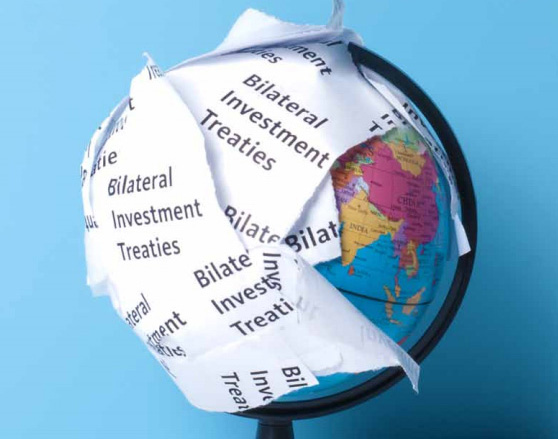
Strengthening relationships with our allies is essential to maintaining global stability, advancing our shared values, and addressing challenges that no nation can solve alone. To accomplish this, I would prioritize consistent communication, collaboration on key global issues, and a renewed commitment to honoring our alliances. Here’s how I would approach strengthening our relationships and making thoughtful changes to our existing treaties and alliances:
1. Restoring Trust Through Consistent Communication and Honoring Commitments
Our allies need to know they can rely on the United States. Consistency, transparency, and a commitment to our promises are foundational to restoring trust and building stronger alliances.
Regular Summits and Direct Communication: I would work to hold regular summits and create direct lines of communication with leaders from NATO, the European Union, and other regional alliances. These meetings would allow us to discuss challenges, reaffirm commitments, and build closer working relationships based on transparency and mutual respect.
Commitment to Existing Agreements: I would prioritize honoring existing treaties and agreements to rebuild confidence in the United States as a reliable partner. This includes maintaining our commitments to NATO’s collective defense principles and upholding our promises in existing trade and security pacts. By showing consistency and reliability, we strengthen trust and stability within our alliances.
2. Expanding Collaborations on Shared Global Challenges
Many challenges, from climate change to cybersecurity threats, are global in nature. By collaborating on these pressing issues, we can strengthen our alliances and find solutions that benefit all.
Climate Change and Environmental Protection: I would work closely with our allies on climate initiatives, encouraging mutual commitments to reducing carbon emissions, protecting biodiversity, and investing in renewable energy. Expanding on agreements like the Paris Climate Accord, I would promote partnerships that help each nation meet or exceed their targets, supporting a healthier, more sustainable world.
Cybersecurity and Countering Misinformation: Cyber threats and misinformation campaigns affect democracies around the world. I would propose an international cybersecurity alliance focused on intelligence-sharing, joint cybersecurity measures, and rapid response protocols. This alliance would protect sensitive information, safeguard elections, and uphold the integrity of digital communication.
Health and Pandemic Preparedness: The COVID-19 pandemic showed us how interconnected our health security is with that of the world. I would strengthen alliances to include pandemic preparedness and rapid response strategies, working closely with the World Health Organization and other health-focused bodies to create systems for sharing information, supplies, and research quickly in times of crisis.
3. Reevaluating Trade Agreements to Benefit Both American Workers and Our Allies
Trade agreements are vital to our economy and our alliances. However, they must be fair and benefit American workers as well as our allies.
Balanced Trade Agreements: I would review our current trade agreements to ensure they are mutually beneficial, focusing on fair labor practices, environmental protections, and worker rights. Trade should not only strengthen our economy but also contribute to higher standards of living, fair wages, and environmental sustainability across all participating nations.
Strengthening Trade with Strategic Allies: To counter the influence of economic competitors and promote stability, I would prioritize trade agreements with countries that share our values. Expanding trade with partners in Asia, Europe, and Latin America would reduce reliance on adversarial economies, create jobs at home, and help stabilize supply chains.
4. Strengthening and Modernizing NATO
NATO has been a cornerstone of international stability for decades, and I believe it’s critical to keep the alliance strong, flexible, and relevant to today’s security challenges.
Updating NATO’s Strategic Goals: While NATO has traditionally focused on military defense, modern threats include cyber warfare, terrorism, and climate-related security risks. I propose working with NATO leaders to expand NATO’s strategic goals to include these areas, ensuring it remains responsive to contemporary challenges.
Increasing Equitable Burden-Sharing: Many NATO members have already increased their contributions, but I believe in encouraging all member nations to continue sharing responsibilities equitably. This shared commitment reinforces the alliance and ensures that every member is invested in collective security.
5. Expanding Relationships with Emerging Democratic Allies
While maintaining strong relationships with our established allies is essential, it’s equally important to support emerging democracies that share our values and have strategic importance.
Supporting Democratic Movements: In regions where democracy is emerging or under threat, I would support civil society groups, free press initiatives, and anti-corruption measures to help these nations build stable and fair systems. These efforts create stronger, more reliable allies over time and promote global democracy.
Regional Partnerships: In addition to traditional alliances, I propose strengthening relationships in Asia, Africa, and Latin America, where emerging democracies are becoming influential on the world stage. By building diplomatic and economic ties with these nations, we expand our circle of influence and foster a global network based on shared values.
6. Updating and Expanding Treaties to Address Modern Security Threats
Traditional defense alliances are crucial, but modern threats require flexible, updated agreements that reflect today’s security landscape.
International Cybersecurity Treaties: I propose creating or expanding treaties that address cybersecurity and digital warfare. These treaties would set international standards for responding to cyber threats and would include cooperative measures for detecting and preventing cyber attacks.
Arms Control and Non-Proliferation Agreements: Nuclear, chemical, and biological weapons pose a threat to everyone, and it’s essential that we continue our commitment to arms control. I would work to update and expand arms control treaties, including renewing or renegotiating the New START Treaty with Russia, to ensure it addresses the current security environment.
7. Ensuring Transparency and Accountability in Alliances
Our alliances are strongest when they are based on shared values, transparency, and accountability.
Promoting Accountability Measures: I would support measures that ensure all allied nations adhere to agreed-upon human rights standards and anti-corruption practices. By holding ourselves and our allies to high standards, we strengthen the integrity and trustworthiness of our alliances.
Regular Public Updates and Transparency: The American people deserve to know about the status and purpose of our alliances and treaties. I would promote transparency by regularly updating the public on the objectives and achievements of our international partnerships. This approach fosters trust at home and shows the world that we are accountable to our citizens.
A Renewed Commitment to Global Stability and Peace
Through these actions, I believe we can create stronger, more responsive alliances that uphold American values and protect our national interests. By expanding partnerships, updating treaties, and building on the principles of trust, cooperation, and shared responsibility, we can lead with strength and integrity on the global stage.
My goal is a world where the U.S. works side-by-side with allies and partners to confront challenges together. With clear principles and a commitment to mutual respect, we can ensure that our alliances are stronger, more resilient, and better prepared to face the challenges of the 21st century.
Comments
Post a Comment