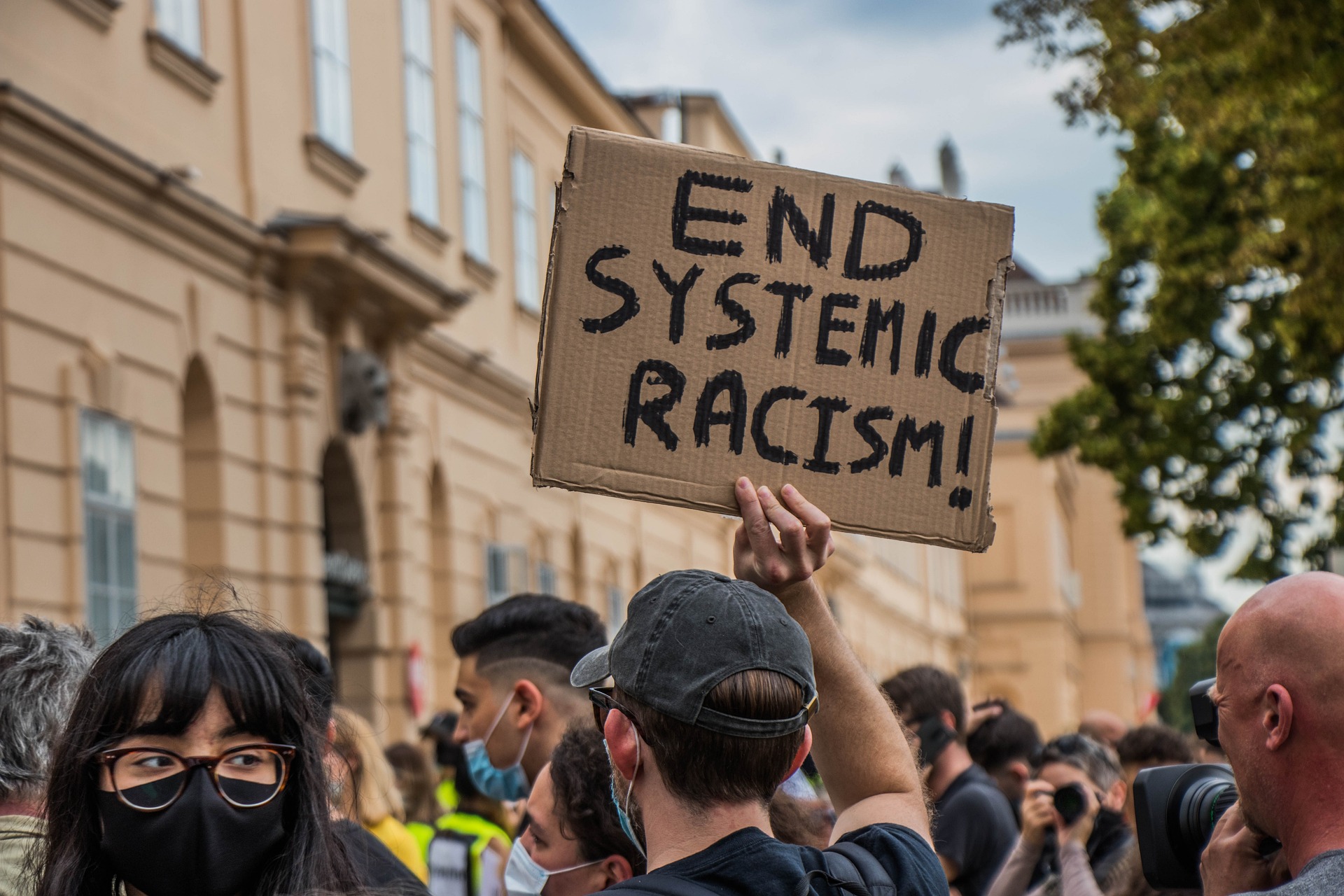
Addressing systemic racism and inequality requires a comprehensive approach that tackles injustices in the criminal justice system, education, healthcare, housing, and economic opportunity. My vision is to create a fairer, more inclusive society where everyone, regardless of race or background, has equal access to opportunity and justice. Here’s how I would address systemic racism and inequality:
1. Reforming the Criminal Justice System
Systemic racism is deeply embedded in the criminal justice system, and reforming it is essential to achieving racial equity.
Ending Discriminatory Policing Practices: I would work to end practices like racial profiling and “stop-and-frisk” policies, which disproportionately target communities of color. Training programs for police officers on de-escalation, bias reduction, and community engagement would be standard, ensuring policing is fair and focused on serving the community.
Addressing Sentencing Disparities: People of color are often sentenced more harshly than their white counterparts for the same offenses. I would advocate for reforms that eliminate sentencing disparities, particularly in drug-related offenses, and support initiatives to review and correct unjust sentences.
Supporting Alternatives to Incarceration: For nonviolent offenders, I propose expanding programs that offer alternatives to jail time, such as mental health treatment, substance abuse rehabilitation, and job training. These programs reduce recidivism, help people rebuild their lives, and relieve the strain on our criminal justice system.
Promoting Police Accountability and Transparency: I would implement federal standards for body cameras, transparency in police misconduct records, and independent investigations of police-involved deaths. Strengthening accountability and transparency restores trust between law enforcement and the communities they serve.
2. Investing in Equitable Education
Education is a powerful tool for overcoming inequality, but too often, communities of color are underserved by our education system.
Increasing Funding for Underserved Schools: I would prioritize funding for schools in low-income and historically marginalized communities to ensure students have access to quality education, modern facilities, and updated resources. Equal funding empowers schools to provide strong academic foundations and creates opportunities for all students.
Hiring and Supporting Diverse Educators: Research shows that having diverse teachers benefits all students, especially students of color. I would invest in recruitment, training, and mentorship programs to diversify the teaching workforce and retain educators from varied backgrounds.
Expanding Access to Early Childhood Education: Early childhood education can significantly impact a child’s future success. I would work to provide universal pre-K, especially in low-income communities, ensuring that every child begins school with a strong foundation, regardless of their background.
Closing the Digital Divide: Many students in marginalized communities lack access to digital resources and reliable internet, limiting their educational opportunities. I propose funding for technology grants and broadband expansion to bridge the digital divide and ensure all students have access to essential learning tools.
3. Expanding Access to Healthcare and Reducing Health Disparities
Racial and economic disparities in healthcare access contribute to significant inequality in health outcomes.
Expanding Healthcare Access: I support expanding access to affordable healthcare for all, ensuring that low-income and marginalized communities can access essential services. This includes providing funding for community health centers, mobile clinics, and telemedicine options in underserved areas.
Investing in Maternal and Infant Health: Black women and infants face disproportionately high mortality rates due to a lack of access to quality maternal care. I would prioritize funding for maternal health initiatives, training healthcare providers in culturally competent care, and expanding support programs for pregnant women and new mothers in marginalized communities.
Addressing Environmental Racism: Many communities of color are disproportionately impacted by pollution and toxic waste, leading to severe health issues. I would enforce environmental standards and fund clean-up efforts in affected areas, ensuring that no one’s health is jeopardized due to where they live.
Mental Health and Substance Abuse Services: Mental health disparities often impact communities of color, but access to culturally competent care is limited. I would work to expand mental health services in underserved areas and train healthcare providers to understand and address the unique challenges faced by communities of color.
4. Promoting Economic Opportunity and Closing the Wealth Gap
Economic disparities along racial lines perpetuate inequality. By creating opportunities and investing in communities, we can begin to close the wealth gap.
Increasing Access to Capital for Minority-Owned Businesses: Minority-owned businesses often face barriers to securing loans and investments. I would expand funding for small business grants, low-interest loans, and mentorship programs for minority entrepreneurs to help them start and grow their businesses.
Raising the Minimum Wage and Supporting Wage Equity: People of color are disproportionately represented in low-wage jobs. I support raising the federal minimum wage and enforcing wage equity laws to ensure fair pay for all workers, which would help lift millions of families out of poverty.
Investing in Job Training and Career Development: Job training programs targeted toward marginalized communities can open pathways to high-demand industries like technology, healthcare, and green energy. I propose expanding workforce development programs and offering support for job placement, particularly in underrepresented areas.
Expanding Affordable Housing and Homeownership Programs: Homeownership is one of the most effective ways to build generational wealth, but discriminatory practices have historically barred people of color from homeownership. I support down payment assistance programs, fair lending policies, and investments in affordable housing to help more families become homeowners and build wealth.
5. Addressing Housing Discrimination and Redlining
Systemic housing discrimination has created lasting inequality in wealth and access to opportunity. I would prioritize fair housing initiatives to address this injustice.
Strengthening Fair Housing Laws: I support stronger enforcement of fair housing laws to prevent discrimination by landlords, lenders, and real estate agents. This includes increased penalties for discriminatory practices and more funding for the Department of Housing and Urban Development (HUD) to investigate and address violations.
Investing in Housing Redevelopment in Marginalized Communities: Many communities affected by redlining and housing discrimination still lack access to quality housing. I would fund redevelopment projects in these areas to build affordable housing, improve infrastructure, and increase access to essential services.
Ending Exclusionary Zoning: Exclusionary zoning laws restrict affordable housing options and often segregate communities. I propose working with state and local governments to end these practices, making it easier to build affordable housing in diverse neighborhoods.
6. Supporting Voting Rights and Political Representation
Ensuring that all citizens can participate in our democracy is essential for addressing systemic racism and achieving equality.
Protecting Voting Rights: I would work to restore and expand the Voting Rights Act to protect against voter suppression tactics that disproportionately target communities of color. This includes enforcing protections against gerrymandering, voter ID laws, and limited polling access.
Expanding Access to the Ballot: Voting should be accessible to every citizen. I support policies that make voting easier, including automatic voter registration, no-excuse absentee voting, and extended early voting periods. These policies empower communities and strengthen democracy.
Supporting Diverse Political Representation: Our government should reflect the diversity of the country it serves. I would encourage civic engagement programs and mentorship initiatives to support underrepresented candidates, ensuring that our leadership reflects the diversity of the American people.
7. Increasing Accountability and Transparency
Achieving racial equity requires a commitment to transparency and accountability at all levels of government.
Creating a Federal Task Force on Racial Equity: I propose establishing a task force to oversee and measure the effectiveness of racial equity policies, with regular public reports on progress and recommendations. This task force would include experts in education, criminal justice, healthcare, and economic policy to ensure a comprehensive approach.
Supporting Data Collection on Racial Disparities: Understanding the scope of inequality requires accurate data. I would ensure that federal agencies collect data on racial disparities in education, income, healthcare, and criminal justice, using it to inform and adjust policies.
A Commitment to Equity and Justice
Addressing systemic racism and inequality requires dedicated, consistent efforts across many areas of society. My approach is based on creating opportunities, enforcing fair practices, and ensuring that every community has the resources to thrive. By addressing these root causes, we can create a society that values and respects every individual, regardless of race or background, and build a future where equality is not just an ideal but a reality.
Comments
Post a Comment